
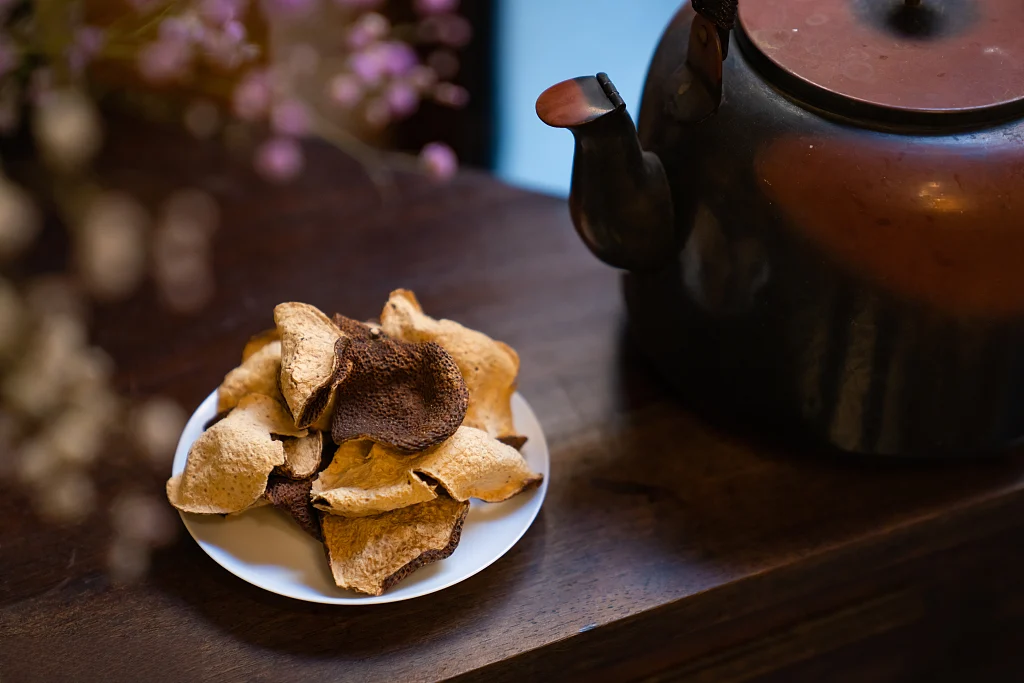
Chenpi tea, made from aged citrus peel, is a beloved traditional drink with centuries of history in Guangdong and beyond. While the ingredient itself is simple—just dried tangerine peel—the way you brew it can make the difference between a flat, bitter cup and a rich, aromatic infusion that reveals the full depth of aged citrus flavor.
In this guide, we’ll walk you through everything you need to know to brew Chenpi tea perfectly, whether you’re using a basic mug, a gaiwan, or a full gongfu set. We’ll cover water temperature, steeping times, common mistakes, and how to pair Chenpi with Pu-erh for an even more complex tea experience.
Why Brewing Method Matters for Chenpi
Chenpi is not like ordinary tea leaves. It’s rich in citrus oils and aromatic compounds that are slowly released during aging. A proper brew extracts these oils gently, creating a balanced flavor that is neither too sharp nor too flat.
Many beginners make two mistakes: using boiling water for too long (which can release bitter compounds) or using water that’s too cool (which fails to unlock the peel’s aroma). The ideal brew lies in the middle—hot but not scalding, steeped briefly but repeatedly.
If you’re new to Chenpi, you might want to read our beginner’s guide: What Is Xinhui Chenpi? A Beginner’s Guide to Guangdong’s “Golden” Aged Tangerine Peel.
What You’ll Need: Simple Teaware for Chenpi
You don’t need expensive equipment to enjoy Chenpi tea. Here are a few options:
- Porcelain gaiwan (100–150 ml) – The most versatile choice for gongfu-style brewing. Porcelain is neutral and won’t affect the flavor.
- Small teapot (120–180 ml) – Especially Yixing clay if you mainly drink ripe Pu-erh or aged teas.
- Heat-resistant glass mug – Perfect for office or casual brewing; you can watch the color change as the tea infuses.
- Fairness cup (gong dao bei) – Ensures each cup has the same strength.
- Small cups (30–50 ml) – For sipping and savoring.
For a detailed comparison of teaware, check out our guide: Best Teaware for Chenpi & Xiao Qing Gan.
Step-by-Step Guide to Brewing Chenpi Tea
1. Prepare the Chenpi
Take one piece of aged Chenpi (about 3–5 g). Rinse it quickly with warm water to remove any dust. If the peel is large, you can break it into smaller pieces for a quicker infusion.
2. Heat the Water
Bring fresh, filtered water to 90–95 °C (194–203 °F). Avoid using fully boiling water (100 °C) for the first infusion, as it can shock the peel and release too much bitterness. For later infusions, you can increase the temperature slightly.
3. First Infusion (Rinse)
Place the Chenpi in your gaiwan or teapot, add hot water, and immediately pour it out. This “rinse” wakes up the peel, removes any remaining dust, and prepares it for the first proper infusion.
4. Steep & Enjoy
Add hot water again and steep for 30–45 seconds. Pour the liquor into a fairness cup, then serve in small cups. Chenpi can be reinfused many times—each round will reveal different layers of flavor, from bright citrus to deep, sweet aftertaste.
For subsequent infusions, increase the steeping time by 10–15 seconds each round. A good piece of Chenpi can yield 8–12 infusions.
5. Adjust to Your Taste
If the tea feels too weak, use more peel or steep longer. If it’s too bitter, lower the water temperature or shorten the steeping time. The beauty of Chenpi is that you can tailor the brew to your preference.
Common Brewing Mistakes & How to Avoid Them
- Using boiling water – Can extract bitter compounds. Stick to 90–95 °C.
- Steeping too long – Especially in the first infusion. Start with 30–45 seconds.
- Using too little or too much Chenpi – 3–5 g per 100 ml is a good starting point.
- Ignoring the rinse step – The rinse ensures a clean, smooth first cup.
Chenpi & Pu-erh: A Classic Pairing
Chenpi and ripe Pu-erh are a match made in tea heaven. The citrus peel brightens the earthy, mellow Pu-erh, creating a balanced cup that is both comforting and complex. To brew them together, simply add a small piece of Chenpi to your Pu-erh leaves in the pot and follow the same gongfu steps.
This pairing is also the foundation of Xiao Qing Gan—a young green tangerine stuffed with Pu-erh tea. If you’re curious about this unique tea, read our article: Best Teaware for Chenpi & Xiao Qing Gan.
FAQ: Your Chenpi Brewing Questions Answered
Can I brew Chenpi in a regular mug?
Yes. Use a heat-resistant glass or ceramic mug, add a piece of Chenpi, and pour hot water over it. Steep for 2–3 minutes, then remove the peel (or leave it in for a stronger brew). You can refill with hot water throughout the day.
How long can I store brewed Chenpi tea?
It’s best consumed fresh, but you can keep it in the refrigerator for up to 24 hours. The flavor may fade slightly.
Does older Chenpi need a different brewing method?
Older Chenpi (10+ years) is often more delicate. Use slightly cooler water (85–90 °C) and shorter steeping times to preserve its nuanced aroma.
Bringing the Art of Chenpi to Your Tea Table
Brewing Chenpi tea is a simple yet rewarding ritual. With a little attention to water temperature, timing, and teaware, you can unlock the full spectrum of flavors that aged citrus peel has to offer. Whether you drink it pure or paired with Pu-erh, Chenpi brings a touch of Guangdong’s sunshine and centuries of tradition to every cup.
✨ Ready to Master the Art of Chenpi Brewing?
Now that you’ve learned the secrets to perfect Chenpi tea, it’s time to put your knowledge into practice. Experience the difference that authentic Xinhui Chenpi makes—sourced directly from Guangdong and trusted by tea lovers worldwide.
- Get started with authentic Chenpi: Explore our premium aged Chenpi collection, carefully selected from Xinhui orchards
- Try the classic pairing: Discover our Xiao Qing Gan tea for the perfect Chenpi-Puerh fusion
- Find the right teaware: Check our guide on Best Teaware for Chenpi & Xiao Qing Gan
- Learn about health benefits: Read our detailed article on Chenpi Health Benefits: 7 Proven Advantages
- Trusted by 1000+ tea enthusiasts since 1996 with free worldwide shipping on all orders
Have questions about brewing or choosing the right Chenpi? Visit our Chenpi & Xiao Qing Gan FAQ or contact our tea experts for personalized guidance.