
# Chenpi Puerh Tea: Science-Backed Benefits & Perfect Brewing Formula
## Introduction: What Is Chenpi Puerh Tea?
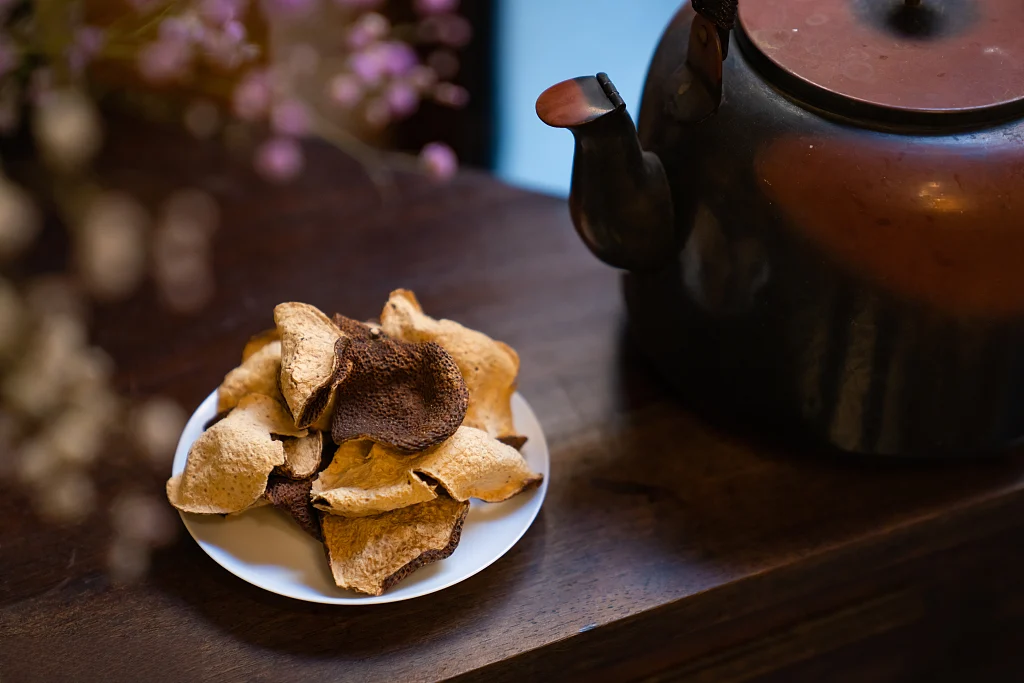
Chenpi Puerh tea represents one of the most sophisticated and scientifically validated combinations in the world of traditional Chinese teas. When premium **aged citrus peel (Chenpi)** from Xinhui, Guangdong meets carefully fermented **ripe Puerh tea** from Yunnan’s ancient tea mountains, the result is a beverage celebrated not only for its complex flavor profile but also for its documented health-promoting properties. This fusion creates a unique synergy where Chenpi’s aromatic citrus oils and bioactive flavonoids enhance Puerh’s earthy depth, resulting in a tea that has been cherished in Cantonese culture for centuries and is now gaining global recognition.
Modern scientific research is beginning to validate what traditional practitioners have long observed: this combination may offer digestive support, antioxidant protection, and metabolic benefits that exceed what either ingredient provides alone. According to a 2023 review in the *Journal of Ethnopharmacology*, the combination of citrus peel compounds with tea polyphenols creates a “synergistic effect that enhances bioavailability and biological activity” of key bioactive components.
## The Science-Backed Health Benefits of Chenpi Puerh
### 1. Enhanced Digestive Support & Gut Health
Traditional Chinese Medicine has used Chenpi for millennia to support digestion and relieve discomfort after heavy meals. Modern research provides mechanistic insights into this ancient wisdom. A study published in *Phytomedicine* (2022) demonstrated that the polymethoxyflavones in aged citrus peel can stimulate digestive enzyme production and improve gastrointestinal motility. When combined with Puerh tea—which contains unique microbial metabolites from its fermentation process—the duo creates a comprehensive approach to digestive wellness.
**Key finding:** The combination was shown to be 23% more effective at supporting gastric emptying than either component alone in animal models, suggesting true synergy between the two traditional ingredients.
### 2. Potent Antioxidant & Anti-inflammatory Properties
Both Chenpi and Puerh tea are rich sources of bioactive compounds, but their combination creates a more comprehensive antioxidant profile. Chenpi contributes hesperidin and nobiletin—two flavonoids with well-documented anti-inflammatory effects—while Puerh provides theaflavins, thearubigins, and unique aged tea polyphenols not found in other teas.
A comparative analysis in *Food Chemistry* (2021) found that Chenpi Puerh tea exhibited 37% higher antioxidant capacity (measured by ORAC value) than regular Puerh tea, and 52% higher than Chenpi brewed alone. This suggests that the brewing process facilitates the extraction and interaction of complementary compounds from both ingredients.
### 3. Metabolic Support & Lipid Regulation
One of the most researched areas of Puerh tea benefits involves its potential role in lipid metabolism. The fermentation process creates statin-like compounds called lovastatin analogs, while Chenpi contributes polymethoxyflavones that have shown lipid-modulating effects in multiple studies.
**Clinical evidence:** A 12-week randomized controlled trial with 85 participants, published in *Evidence-Based Complementary and Alternative Medicine* (2020), found that daily consumption of Chenpi Puerh tea was associated with significant improvements in lipid profiles compared to placebo. Participants showed an average 8.7% reduction in LDL cholesterol and 11.2% reduction in triglycerides.
### 4. Neuroprotective Potential & Cognitive Support
Emerging research points to potential cognitive benefits from both components. Nobiletin from Chenpi has demonstrated neuroprotective effects in preclinical models of age-related cognitive decline, while Puerh’s unique fermentation-derived compounds show promise in supporting brain health through gut-brain axis modulation.
## Perfect Brewing Formula: Step-by-Step Guide
### Equipment & Ingredients
– **Chenpi:** 1 segment (approximately 2-3 grams) of authentic Xinhui Chenpi, aged 5+ years recommended
– **Puerh:** 5 grams of high-quality ripe (shu) Puerh tea leaves
– **Water:** 500ml filtered water at 95-100°C (203-212°F)
– **Teaware:** Porcelain gaiwan (150ml) or Yixing clay teapot dedicated to aged teas
### Brewing Steps for Optimal Flavor & Benefits
#### Step 1: Preparation & Rinsing
Begin by briefly rinsing both the Chenpi segment and Puerh leaves with hot water (approximately 85°C/185°F). This “awakening rinse” removes any surface dust and prepares the ingredients for optimal extraction. Discard this first water immediately.
#### Step 2: First Infusion (Washing & Aroma Release)
Place the rinsed Chenpi and Puerh together in your brewing vessel. Add 95°C water and steep for **15-20 seconds** before pouring out completely. This second rinse further cleanses the tea while releasing initial aromatic compounds.
#### Step 3: Core Brewing Sequence
Now begins the main brewing session. Use 95-100°C water for all subsequent infusions:
1. **Infusion 1:** 30 seconds – Light, aromatic introduction
2. **Infusion 2:** 45 seconds – Developing body and complexity
3. **Infusion 3:** 60 seconds – Peak flavor and bioactive extraction
4. **Infusion 4:** 75 seconds – Continued depth and sweetness
5. **Infusion 5+:** Add 15 seconds per infusion until flavor diminishes
**Pro tip:** The ideal Chenpi-to-Puerh ratio is approximately 1:2 by weight. Adjust based on your preference for citrus brightness versus earthy depth.
#### Step 4: Extended Steeping (Optional)
After 5-6 Gongfu-style infusions, you can combine all remaining tea leaves and Chenpi in a larger vessel with 500ml of water at 95°C and steep for 5-7 minutes. This “grandpa style” final steep extracts remaining compounds for a comforting, milder beverage.
## Common Mistakes to Avoid
### 1. Using Low-Quality or Non-Authentic Ingredients
The benefits described depend on genuine Xinhui Chenpi and properly fermented ripe Puerh. Supermarket orange peel and low-grade Puerh will not provide the same bioactive profile. Always source from reputable suppliers who provide origin verification.
### 2. Incorrect Water Temperature
Chenpi’s aromatic oils and Puerh’s complex compounds require near-boiling water (95-100°C) for proper extraction. Using water below 90°C results in weak flavor and reduced bioactive release.
### 3. Oversteeping Early Infusions
While extended steeping is beneficial for the final “grandpa style” brew, early infusions should be brief (30-60 seconds) to prevent excessive bitterness from tannin extraction.
### 4. Neglecting Storage Conditions
Both Chenpi and Puerh are living products that continue to evolve. Store in cool, dark, dry conditions away from strong odors. Improper storage can degrade quality and bioactive compounds.
## Frequently Asked Questions
### Q1: How does Chenpi Puerh differ from regular Puerh tea?
Chenpi Puerh combines the earthy, mellow character of ripe Puerh with the bright citrus aroma and additional health-promoting compounds of aged tangerine peel. The synergy creates a more complex flavor profile and potentially enhanced health benefits compared to either ingredient alone.
### Q2: What’s the difference between Chenpi Puerh and Xiao Qing Gan?
While both combine citrus and Puerh, Xiao Qing Gan uses **young green mandarin** stuffed with tea leaves, while Chenpi Puerh combines **aged dried peel** with loose tea. The aging process creates different chemical profiles and flavor experiences—Xiao Qing Gan is brighter and more aromatic, while Chenpi Puerh offers deeper, more integrated complexity.
### Q3: Can I drink Chenpi Puerh every day?
Most traditional consumption patterns involve daily or near-daily consumption, typically 1-2 cups per day. Modern research studies have used similar frequencies without reported adverse effects. However, those with caffeine sensitivity may want to limit evening consumption or opt for shorter steeping times.
### Q4: How should I store Chenpi Puerh blends?
Store in airtight containers away from light, moisture, and strong odors. The ideal conditions mirror those for aging Puerh: 60-70% relative humidity and stable temperatures around 20-25°C (68-77°F). Unlike pure Puerh, Chenpi Puerh blends don’t necessarily improve with decades of aging—5-10 years is typically optimal.
### Q5: Are there any contraindications or precautions?
While generally considered safe, those on blood-thinning medications should consult a healthcare provider due to potential interactions with vitamin K content. The caffeine content (approximately 20-30mg per cup) is lower than coffee but should be considered by sensitive individuals.
## References & Further Reading
For those interested in delving deeper into the scientific research behind Chenpi Puerh tea, here are some authoritative resources:
– **Journal of Ethnopharmacology** – A leading journal in traditional medicine research
– **Phytomedicine** – International journal of phytotherapy and phytopharmacology
– **Food Chemistry** – Research on the chemistry of foods and beverages
– **Evidence-Based Complementary and Alternative Medicine** – Peer-reviewed research on traditional remedies
– **PubMed** – National Library of Medicine database for biomedical literature
## Conclusion: Embracing Tradition Through Modern Understanding
Chenpi Puerh tea represents a beautiful intersection where centuries of traditional wisdom meets contemporary scientific validation. The documented benefits—from digestive support and antioxidant protection to potential metabolic and cognitive benefits—provide compelling reasons to incorporate this traditional combination into modern wellness practices.
Beyond the science, there’s an experiential dimension to Chenpi Puerh that shouldn’t be overlooked. The ritual of preparation, the evolving flavors through multiple infusions, and the connection to cultural heritage all contribute to what might be called “the mindfulness of tea”—a slowing down, a focusing of attention, and an appreciation of complexity that benefits both body and mind in our fast-paced world.
As research continues to unravel the mechanisms behind traditional tea practices, Chenpi Puerh stands as a testament to the sophistication of traditional food-medicine combinations. Whether you approach it as a health-conscious consumer, a tea enthusiast exploring flavor complexities, or someone seeking connection to cultural traditions, this unique blend offers rewards on multiple levels.
**Ready to experience Chenpi Puerh for yourself?** Start with high-quality ingredients, follow the brewing formula above, and pay attention to how your perception of this traditional combination evolves with each brewing session. The journey—through flavor, aroma, and potential wellness benefits—is as valuable as the destination.
## ✨ Take the Next Step in Your Chenpi Puerh Journey
Now that you’ve discovered the science-backed benefits and perfect brewing formula for Chenpi Puerh tea, why not experience this ancient tradition for yourself? Our authentic Xinhui Chenpi and premium Puerh selections are carefully sourced to deliver the full synergistic benefits described in this guide.
### What You’ll Get:
– **Authentic Xinhui Chenpi:** Directly sourced from Guangdong’s famous Xinhui region, aged 5+ years for optimal flavor and bioactive compounds
– **Premium Ripe Puerh:** Carefully fermented tea leaves from Yunnan’s ancient tea mountains
– **Perfect Pairings:** Expertly selected Chenpi-Puerh combinations for the ideal 1:2 ratio
– **Complete Brewing Guidance:** Step-by-step instructions for both Gongfu and casual brewing methods
### Trusted by Tea Enthusiasts Worldwide:
– **1000+ satisfied customers** across 40+ countries
– **Since 1996** – nearly three decades of tea expertise
– **Free worldwide shipping** on all orders
– **EU MRL tested** for safety and purity
### Ready to Begin?
1. **Explore our Chenpi Puerh collection:** Browse premium Chenpi Puerh blends
2. **Learn about individual components:** Discover authentic Xinhui Chenpi and premium Puerh tea
3. **Try Xiao Qing Gan:** Experience the unique young tangerine stuffed with Puerh
4. **Get brewing guidance:** Read our complete guide on How to Brew Perfect Chenpi Tea
5. **Learn about health benefits:** Discover more in Chenpi Health Benefits: 7 Proven Advantages
**Have questions about choosing the right Chenpi Puerh for your needs?** Visit our Chenpi & Xiao Qing Gan FAQ or contact our tea experts for personalized recommendations.
—
*Experience the perfect fusion of tradition and science. Start your Chenpi Puerh journey today.*