oudatea

The Fascinating World of Chenpi, Xiao Qing Gan, and Pu-erh Tea

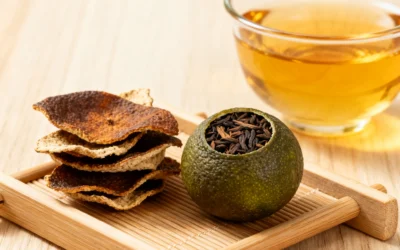
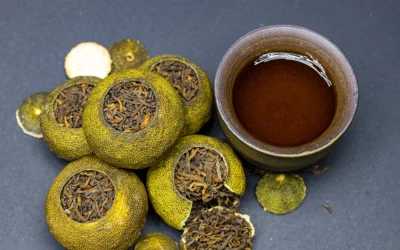
In the world of Chinese teas, the combination of Chenpi (陈皮), Xiao Qing Gan (小青柑), and Pu-erh tea creates a unique flavor profile. These tea blends, which are gaining popularity internationally, often leave customers wondering about their differences. Let’s dive into the details and learn how these distinct ingredients contribute to creating one-of-a-kind tea experiences.

The Fascinating World of Chenpi, Xiao Qing Gan, and Pu-erh Tea Read More »
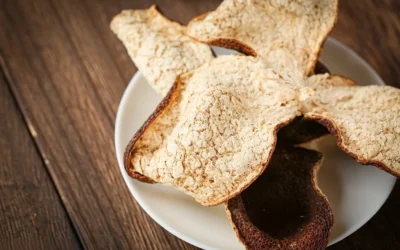
Xinhui Chenpi Aging Years: Core Differences Between 3-Year, 5-Year & 10-Year+ 

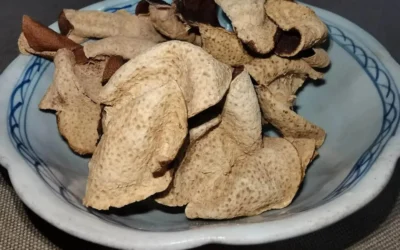
Are you confused about choosing Xinhui Chenpi by its aging years? For international tea and culinary enthusiasts, 3-year, 5-year, and 10-year+ Chenpi seem similar but vary drastically in flavor, quality, and value. As a iconic Chinese herbal treasure, Xinhui Chenpi’s charm lies in its “aging magic”—the longer it’s properly stored, the more mellow and precious it becomes. This guide deciphers the differences to help you shop smart.

Xinhui Chenpi Aging Years: Core Differences Between 3-Year, 5-Year & 10-Year+  Read More »

Agricultural drone used for smart pest control in Xinhui mandarin orchard

Our Farm & Facility

At OUDA TEA, our Xinhui Chenpi and Xiao Qing Gan start from our own Xinhui farm and processing facility. Every step – from growing the citrus trees to sun-drying the peels and packing the tea – is designed to protect purity, flavor and sustainability. Our Farm Our farm is located in the heart of the

Our Farm & Facility Read More »

A whole Xiao Qing Gan Pu-erh tea ball steeping in a white ceramic cup, showing deep amber tea color and rich texture.

Xinhui Xiao Qing Gan: 700 Years of Citrus Heritage in a Cup

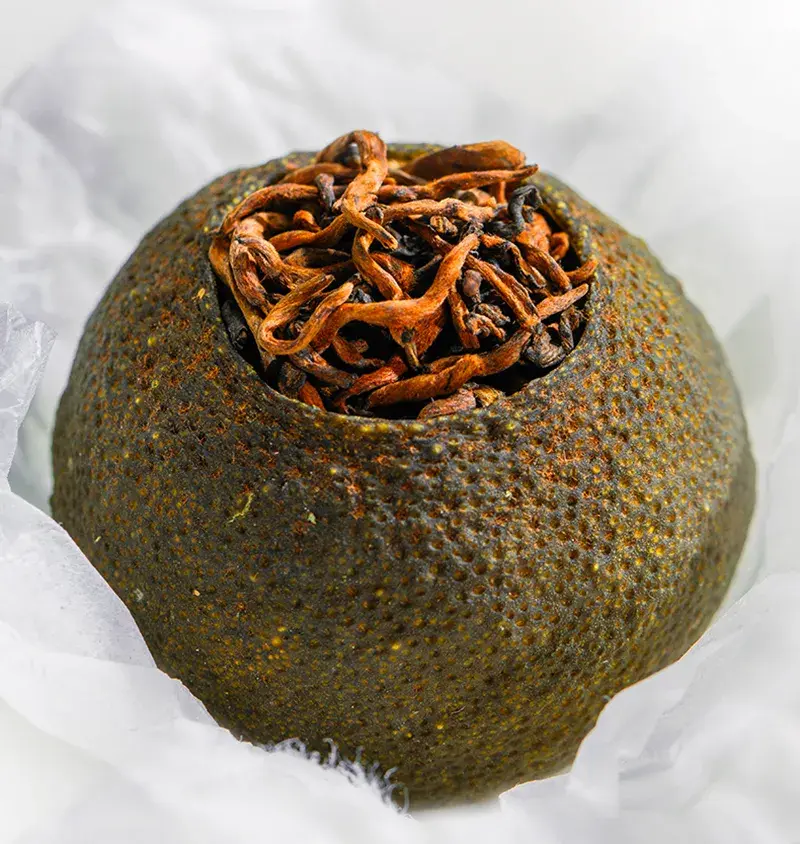
From the river-fed valleys of southern China comes a masterpiece of flavor and tradition — Xinhui Xiao Qing Gan, a green mandarin filled with aged Pu-erh tea. For over 700 years, Xinhui’s unique terroir — its subtropical monsoon climate, mineral-rich alluvial soil, and “three-water confluence” terrain — has nurtured citrus fruits prized for their fragrance and healing properties.

Xinhui Xiao Qing Gan: 700 Years of Citrus Heritage in a Cup Read More »

Close-up of freshly aged Xinhui Chenpi (dried tangerine peel) held against sunlight, showing its rich amber color and visible oil cells — a sign of freshness and authenticity.

How to identify authentic

Xinhui Chenpi (aged tangerine peel) tells a story through color, texture, and aroma. From its early stage of bright red peel and white inner membrane to the deep amber tones of a 30-year-aged treasure, every layer reveals the passage of time.

In this detailed guide, you’ll learn how to recognize authentic Xinhui Chenpi by examining its color, oil cells, tea liquor, aroma, texture, and flavor — and how to distinguish it from inferior or artificially processed varieties.

By understanding the signs of genuine Chenpi — such as visible “pig’s whisker” marks, evenly distributed oil dots, golden tea hue, and rich aged fragrance — you’ll gain the confidence to choose true Xinhui Chenpi and appreciate its craftsmanship, health benefits, and cultural legacy.

How to identify authentic Read More »

Shopping Cart
Scroll to Top