oudatea

Close-up of freshly aged Xinhui Chenpi (dried tangerine peel) held against sunlight, showing its rich amber color and visible oil cells — a sign of freshness and authenticity.

How to Identify Authentic Xinhui Chenpi: 7 Key Features to Avoid Fakes

Xinhui Chenpi (aged tangerine peel) tells a story through color, texture, and aroma. From its early stage of bright red peel and white inner membrane to the deep amber tones of a 30-year-aged treasure, every layer reveals the passage of time.

In this detailed guide, you’ll learn how to recognize authentic Xinhui Chenpi by examining its color, oil cells, tea liquor, aroma, texture, and flavor — and how to distinguish it from inferior or artificially processed varieties.

By understanding the signs of genuine Chenpi — such as visible “pig’s whisker” marks, evenly distributed oil dots, golden tea hue, and rich aged fragrance — you’ll gain the confidence to choose true Xinhui Chenpi and appreciate its craftsmanship, health benefits, and cultural legacy.

How to Identify Authentic Xinhui Chenpi: 7 Key Features to Avoid Fakes Read More »

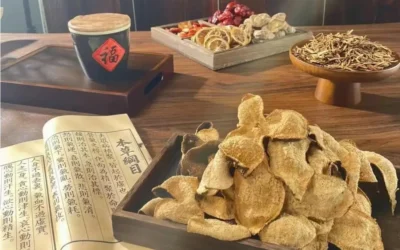
A traditional setup showing aged chenpi citrus peel, dried herbs, and a Chinese medical classic "Bencao Gangmu" used in traditional herbal tea practices.

Xinhui Chenpi Aging & Storage Guide: How to Preserve Quality for Decades

Xinhui Chenpi (aged tangerine peel) is more than just a dried ingredient—it’s a living product that matures over time. Proper storage and aging transform its aroma and health properties, deepening flavors of dried fruit, honey, and herbs while enhancing antioxidant content and value.

This step-by-step guide explains how to age Chenpi at home—choosing the right containers, controlling temperature and humidity, and avoiding common mistakes. With patience and the right environment, your Chenpi will grow richer and more valuable year after year, embodying the beauty of time itself.

Xinhui Chenpi Aging & Storage Guide: How to Preserve Quality for Decades Read More »

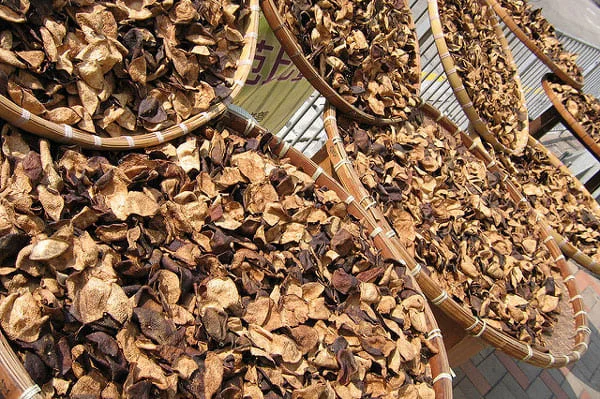
Traditional sun-drying method for Xinhui Chenpi citrus peel in bamboo trays, exposed to natural sunlight in Guangdong, China.

The Benefits of Xinhui Chenpi: Science-Backed Health Advantages of Aged Citrus Peel

Discover the natural power of Xinhui Chenpi (aged tangerine peel) — a treasured ingredient in Chinese herbal tradition and modern wellness. Made from sun-dried and aged tangerine peels, it carries a rich aroma and remarkable health benefits, from aiding digestion and reducing dampness to offering antioxidant and anti-aging effects.

The Benefits of Xinhui Chenpi: Science-Backed Health Advantages of Aged Citrus Peel Read More »

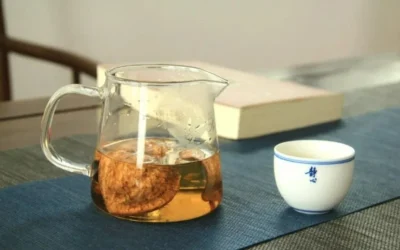
A brewed Xiao Qing Gan Pu-erh tea ball steeping in a white porcelain gaiwan, showing rich amber tea color.

How to Brew Xiao Qing Gan Tea: Complete Step-by-Step Guide for Perfect Citrus Tea

Xiao Qing Gan, also known as mini mandarin pu-erh tea, is one of China’s most distinctive tea treasures — young green mandarins from Xinhui filled with aged ripe pu-erh tea. When brewed correctly, it reveals a perfect harmony of citrusy brightness and earthy sweetness.

In this guide, you’ll learn two easy brewing methods — the traditional gaiwan style and the casual grandpa-style brew — plus expert tips on water temperature, steeping time, and when to break the orange for deeper flavor.

Whether you’re a tea connoisseur or a curious beginner, Xiao Qing Gan offers a sensory journey through southern China’s tea culture — rich, aromatic, and wonderfully calming.

How to Brew Xiao Qing Gan Tea: Complete Step-by-Step Guide for Perfect Citrus Tea Read More »

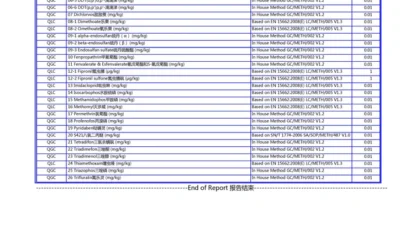
US EU export pesticide residue test report for Xiao Qing Gan and Chenpi tea by Merieux NutriSciences

Xiao Qing Gan & Chenpi EU MRL Testing: Safety & Quality Assurance for Global Export

Your health is our priority. At OUDATEA, we guarantee exceptional purity by rigorously testing our Chenpi and Xiaoqinggan against the world’s strictest standards. This post details our decade-long commitment to safety, from expanding our pesticide screening from 26 to over 400 compounds, to voluntarily imposing zero tolerance for harmful residues like DDT. We don’t just meet the EU’s Maximum Residue Limits (MRLs)—we set a higher bar. Transparency is paramount: see the testing journey of your tea, year by year, backed by Sinoanalytica lab reports and clear MRL compliance data.

Xiao Qing Gan & Chenpi EU MRL Testing: Safety & Quality Assurance for Global Export Read More »

Shopping Cart
Scroll to Top