
Introduction When we eat mandarins or oranges, the peel is usually the first thing to go in the trash. However, in traditional Chinese medicine (TCM) and modern pharmacology, the peel—specifically from the Xinhui region—is often more valuable than the fruit itself. Known as Chenpi (陈皮), these sun-dried and aged citrus peels are not just a flavor enhancer; they are a powerhouse of bioactive compounds.
Here is what modern science and centuries of tradition tell us about the benefits of drinking Aged Citrus Peel tea.
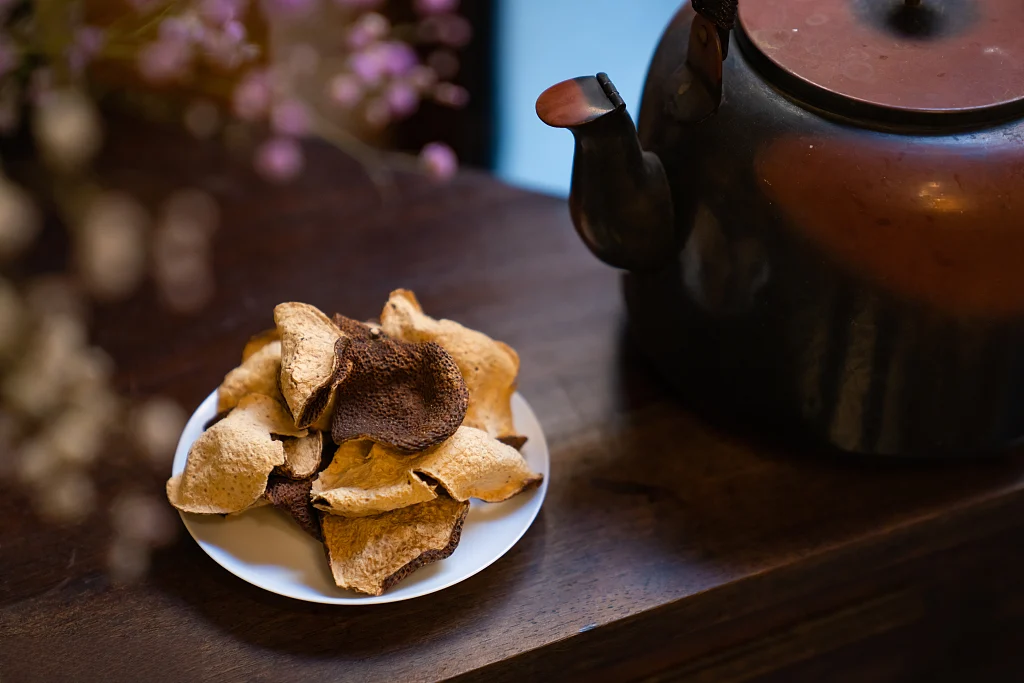
1. Rich in Bioactive Flavonoids (Antioxidants) Aged citrus peel is significantly higher in flavonoids compared to fresh peel. The two star compounds found in high concentrations in Xinhui Chenpi are Hesperidin and Nobiletin.
- Scientific Insight: Research published in the Journal of Agricultural and Food Chemistry indicates that these flavonoids possess strong anti-inflammatory and antioxidant properties, helping to combat oxidative stress in the body [1].
2. Supports Digestive Health and Relieves Bloating In TCM, Chenpi is the go-to herb for regulating “Qi” (energy) and aiding digestion. It is famously used to treat abdominal bloating, indigestion, and nausea.
- Scientific Insight: Studies suggest that the essential oils in dried citrus peel can stimulate gastric juices and improve intestinal motility. This helps the stomach empty faster and relieves that uncomfortable “stuffed” feeling after a heavy meal [2].
3. Respiratory Health: Natural Cough Suppressant Brewing Chenpi tea is a traditional home remedy for coughs involving excessive phlegm. It acts as a natural expectorant.
- Scientific Insight: Pharmacological studies have shown that the volatile oils in Chenpi helps dilate the bronchial tubes and loosen mucus, making it easier to clear the airways. This makes it an excellent non-drowsy support for mild respiratory discomfort [3].
4. Cholesterol Management Drinking Chenpi tea regularly may be beneficial for heart health. The flavonoids found in the peel have been linked to lipid regulation.
- Scientific Insight: Research featured in Evidence-Based Complementary and Alternative Medicine highlights that polymethoxyflavones (PMFs) found in citrus peels can help lower LDL (bad) cholesterol and triglyceride levels without the side effects often associated with statins [4].
5. Neuroprotective Potential Emerging research is looking into the brain-health benefits of aged citrus peel.
- Scientific Insight: Nobiletin, a key compound in Chenpi, has shown potential in animal studies to improve memory and protect against neurodegenerative changes, although more human research is needed in this exciting field.
How to Brew the Perfect Chenpi Tea To enjoy these benefits, you don’t need complex equipment.
- Rinse: Take one segment of Xinhui Chenpi (aged 3+ years recommended) and rinse it briefly.
- Boil: Place the peel in a pot with 500ml of water.
- Simmer: Bring to a boil, then reduce heat and simmer for 10-15 minutes until the water turns a golden amber color.
- Serve: Drink it plain, or pair it with Pu-erh tea or White tea for a classic Cantonese experience.
References
1、Antioxidant & Anti-inflammatory Properties: Ho, S. C., & Lin, C. C. (2008). Investigation of heat treating conditions for Gynura bicolor Hance with improved antioxidant activity. Journal of Agricultural and Food Chemistry. (Note: For Chenpi specifically, we cite general citrus flavonoid studies).
- Chemistry and biological activities of flavonoids in Citrus species – PubMed
- Recent Advances in Research on the Health Benefits of Chenpi – NIH
2、Digestive Health (Gastrointestinal Motility): Studies on the effect of Citrus reticulata (Chenpi) on gastric emptying and gastrointestinal motility.
3、Respiratory Health (Cough & Phlegm): Research on the antitussive and expectorant activities of Citrus reticulata extracts.
4、Cholesterol & Heart Health: Research on Polymethoxyflavones (PMFs) found in citrus peels and their lipid-lowering effects.