
If you have ever wondered why Xinhui is known as the home of Xiao Qing Gan and Xinhui Chenpi, this guide will show you how its climate, soil and culture shape these famous citrus teas and wellness ingredients.
Xinhui: A Place Full of History and Natural Wonders
Xinhui lies in the southwest of the Pearl River Delta in Guangdong Province, China. The region is famous for its rivers, fertile plains and long cultural history, and has been an important hub for trade and agriculture for centuries.
Thanks to its warm, humid climate and rich, river-fed soil, Xinhui has become a valuable origin for Chinese tea and medicinal herbs, especially the celebrated Xiao Qing Gan (green mandarin) and Xinhui Chenpi (aged tangerine peel). The combination of natural environment and traditional know-how gives these products qualities that cannot be replicated elsewhere.

Xiao Qing Gan: The Unique Representation of Xinhui
The History and Culture of Xiao Qing Gan
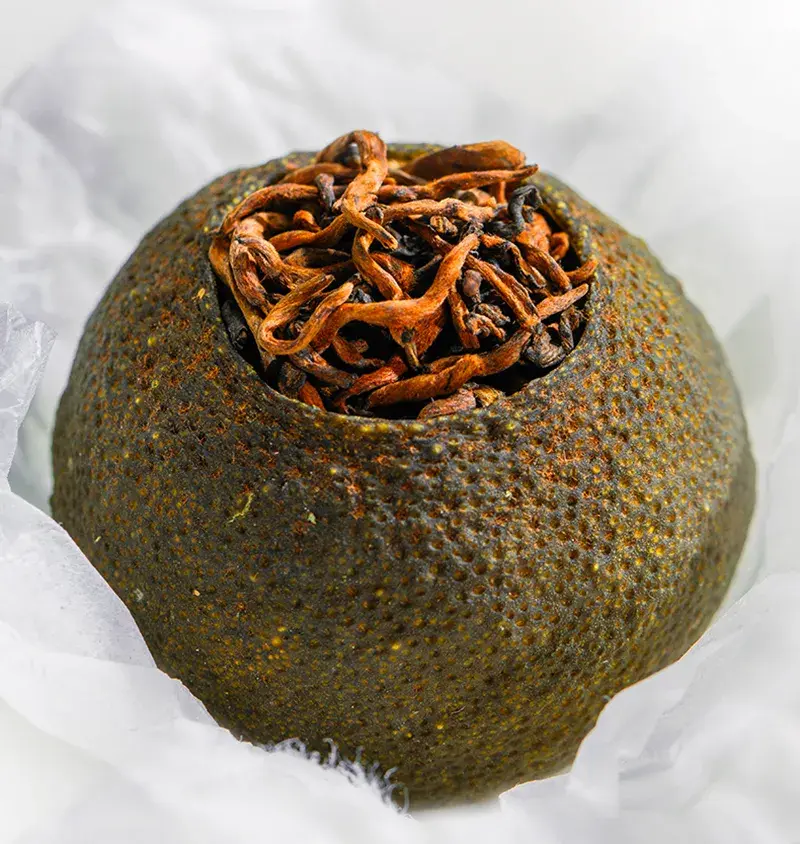
Xiao Qing Gan, also called Xinhui green mandarin, is a small unripe citrus fruit that has been cultivated in Xinhui for generations. Local farmers discovered that its thick peel and high oil content make it ideal for drying and combining with tea.
Thanks to Xinhui’s warm climate, ample sunshine and coastal breezes, Xiao Qing Gan develops a thick, resilient skin with abundant aromatic oil cells. Every harvest season attracts experienced tea makers and buyers who come to select the year’s best fruit for premium Xiao Qing Gan Pu-erh.
Why Is Xinhui Xiao Qing Gan So Special?
Origin Certification
Genuine Xinhui Xiao Qing Gan follows strict origin certification. The trees are grown in designated production areas and harvested according to traditional standards. This traceability protects the reputation of Xiao Qing Gan and gives tea drinkers confidence in what they are buying.
Unique Soil and Climate
Xinhui’s river-rich soil is loaded with minerals, and the humid coastal air helps retain aromatic compounds during drying. These natural factors give the peel a distinctive citrus fragrance and a fresh yet mellow taste when brewed with tea.
Combination with Pu-erh Tea
Xiao Qing Gan is most often paired with aged Pu-erh tea. The citrus peel and Pu-erh are dried together, creating a unique “Xiao Qing Gan Pu-erh” that combines bright citrus aromas with a smooth, soothing tea base. In recent years it has become a popular everyday wellness drink.
If you want to taste authentic Xinhui Xiao Qing Gan, explore our Xiao Qing Gan collections . For a detailed comparison between Xiao Qing Gan and Chenpi, you can also read our guide Xiaoqinggan vs Xinhui Chenpi .
Chenpi: Another Treasure of Xinhui
The Long History of Xinhui Chenpi
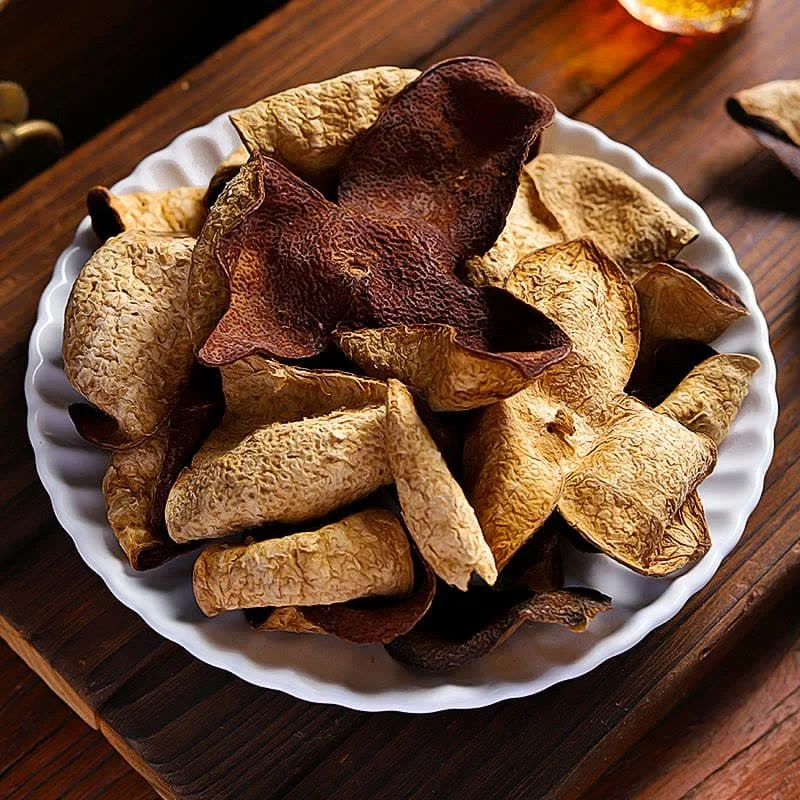
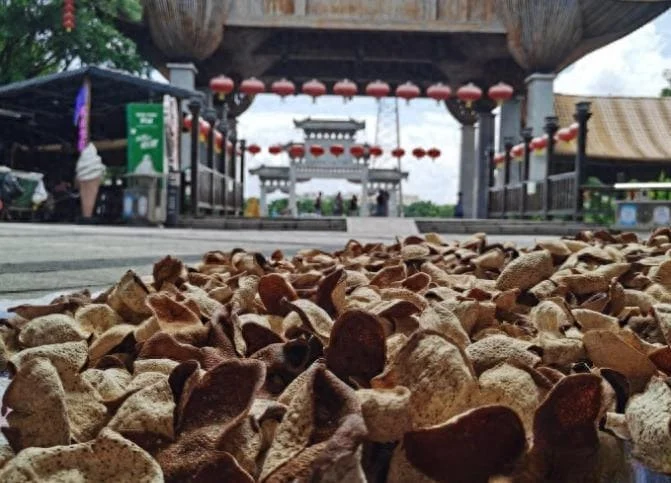
Chenpi refers to sun-dried and naturally aged tangerine peel. It has been used for centuries in Chinese medicine and tea culture as both a flavoring and a wellness ingredient. After the fruit is picked, the peel is carefully separated, dried under the sun and stored for many years to develop depth and complexity.
Among all types of Chenpi, Xinhui Chenpi is considered one of the very best. Its reputation comes from the unique local citrus varieties, the region’s environment and a long history of specialized craftsmanship in peeling, drying and aging.
Why Is Xinhui Chenpi So Special?
Unique Climate and Soil Conditions
Xinhui’s humid subtropical climate, abundant sunshine and fertile alluvial soil create ideal conditions for growing citrus destined to become Chenpi. The peels are rich in aromatic oils and active compounds that respond well to long, slow aging.
Transformation Through Aging
The most distinctive feature of Xinhui Chenpi is its aging process. Over years of natural fermentation and storage, the harsh citrus notes soften and the aroma becomes deep, rounded and slightly sweet. Properly aged Chenpi often develops notes of dried fruit, wood and honey.
Health Benefits of Chenpi
In traditional Chinese medicine, Xinhui Chenpi is valued for supporting digestion, helping to move and dry “dampness” and easing feelings of fullness or discomfort after meals. Today it is widely used in herbal teas, soups and desserts as a gentle daily wellness ingredient.
To see how Chenpi changes over time, including 3-year, 5-year and 10-year+ lots, explore our Xinhui Chenpi aging guide and browse our aged Chenpi collection .
Xinhui: A Heritage of Unique Natural Resources
With its unique natural resources and traditional production techniques, Xinhui has nurtured two world-renowned treasures: Xiao Qing Gan and Chenpi. They carry the flavors of local rivers, fields and sea breeze, as well as centuries of craftsmanship and culture.
These precious teas and herbs not only have a deep cultural background but also offer gentle everyday benefits, so they are loved by tea drinkers and wellness seekers around the world. Whether you are enjoying the refreshing taste of Xiao Qing Gan Pu-erh or the comforting warmth of aged Chenpi, OUDA TEA is committed to providing high-quality, authentic and traceable products from the heart of Xinhui.
To learn more about how we grow and craft these citrus teas, you can also visit our Xinhui farm & facility page, where we share how sustainable farming and careful processing protect the quality of every batch.