
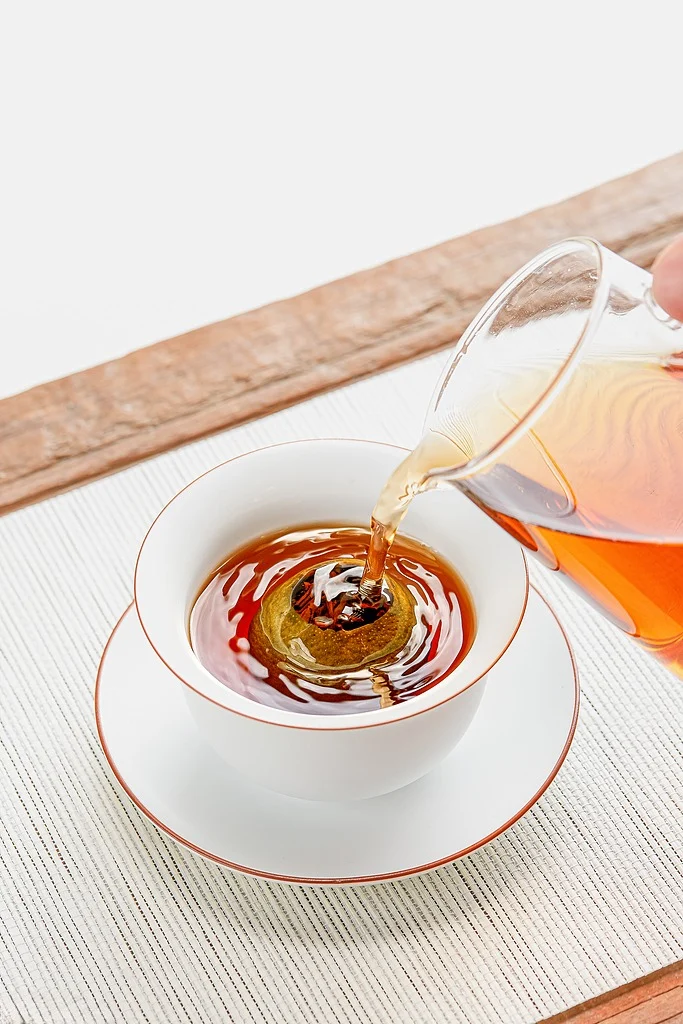
Xiao Qing Gan, also known as Gan Pu Tea, is a type of Pu-erh tea made by combining Xinhui Chenpi from Guangdong with Pu-erh tea leaves from Menghai, Yunnan. This unique pairing results in a tea that is both fragrant and mellow, offering a distinctive floral and aged aroma.
Unique Characteristics
-
Appearance : Round and firm with thick skin, sometimes showing a natural white frost.
-
Color : Dark brown outer peel; tea inside is rich and uniform.
-
Liquor : Bright reddish-brown.
-
Aroma : High and elegant with both citrus and aged tea fragrance.
-
Taste : Smooth, mellow, and rich with long-lasting sweetness.
-
Leaf Base : Yellow-green peel, soft dark tea leaves.
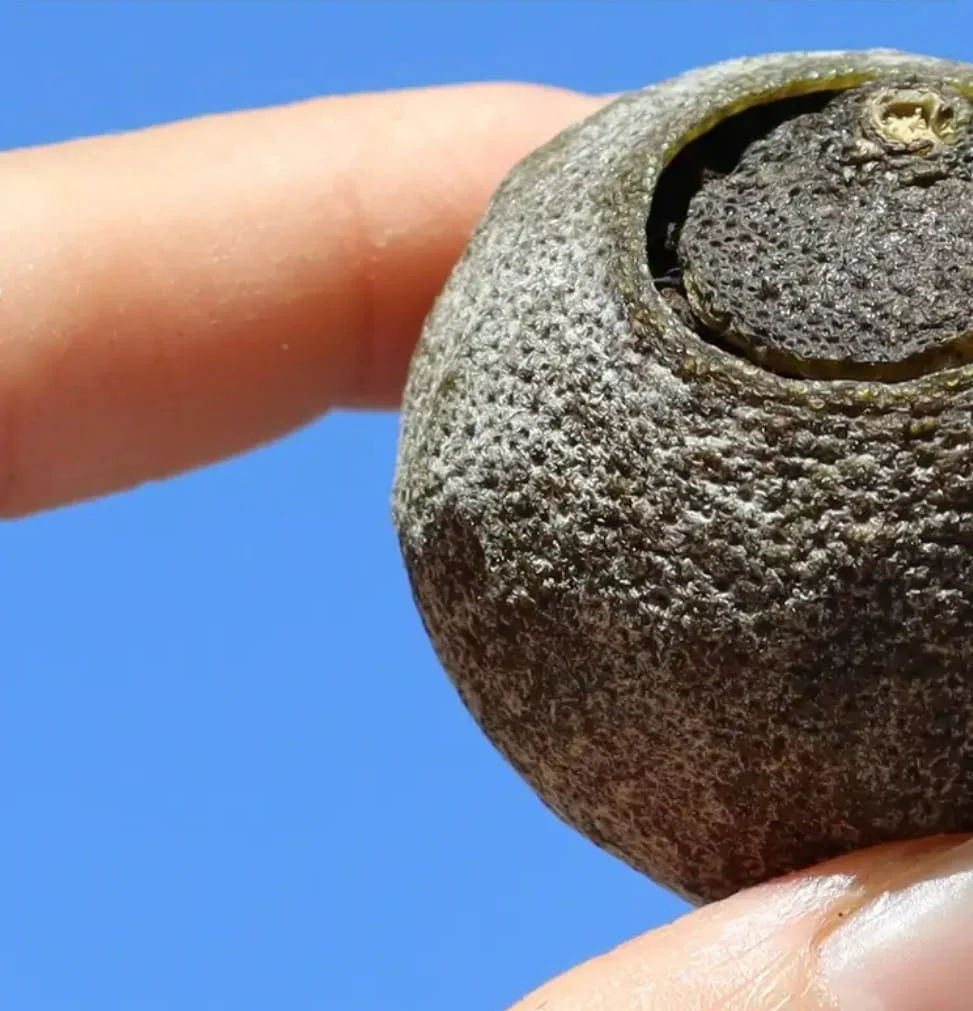
What Is the White Frost on Xiao Qing Gan?
The “white frost” is a natural crystallization of essential oils from the peel, formed during sun-drying or low-temperature baking. It’s a sign of quality and contains beneficial compounds that contribute to health and aroma.
✅ How to Tell White Frost from Mold
-
Look : White frost appears as fine, dry white powder; mold forms irregular spots.
-
Touch : White frost feels dry and slightly grainy; mold feels sticky or slippery.
-
Smell : White frost has a fresh citrus aroma; mold has a musty, unpleasant odor.
Xiao Qing Gan offers numerous health benefits, combining the effects of both Chenpi and Pu-erh:
-
Aids digestion & strengthens the stomach
-
Clears heat and detoxifies
-
Reduces phlegm and cough
-
Lowers cholesterol & aids weight loss
-
Beautifies the skin and fights aging
-
Relieves hangovers and improves circulation
Chenpi Pu-erh vs Ju Pu TeaGan Pu Tea (柑普茶) uses Xinhui mandarins grown only in the Xinhui district of Jiangmen, Guangdong, known for their unique soil and climate.

-
Ju Pu Tea uses ordinary orange peels, which lack the same medicinal and aromatic quality.
Because of this, Xinhui mandarin peel can cost dozens of times more than regular orange peel—and its value increases as it ages.
How to Brew Xiao Qing Gan
-
Whole Fruit Method – Pour boiling water directly into the opened fruit.
-
Hole-Punch Method – Make a small hole in the top before steeping.
-
Broken Peel Method – Break the peel into small pieces for a stronger flavor.
Why Xiao Qing Gan is So Special
Xinhui Chenpi and Yunnan Pu-erh are both “the older, the better” teas—rich in aroma, smooth in flavor, and beneficial to health. Their perfect fusion creates a tea that’s not just a drink but a balance of tradition, craftsmanship, and wellness.