
3-Year vs 5-Year vs 10-Year Xinhui Chenpi can look similar at first glance, but their flavor, nutrition and aging value are very different. This guide helps you quickly understand how each aging year performs in the cup and which one is best for your daily tea, cooking or collection.
What Determines Xinhui Chenpi’s Aging Value?
Before diving into year differences, it’s crucial to understand the basics: authentic Xinhui Chenpi is made from ripe mandarin peels of Xinhui’s core production areas (Gujing, Tianma, etc.). After peeling and natural drying, it is aged in well-ventilated, dry, and cool environments—no additives or preservatives.
Aging transforms Chenpi in three key ways:
- Flavor: Irritating citrus acidity fades, giving way to sweet, mellow, and layered aromas.
- Nutrition: Active ingredients like volatile oils and flavonoids become more concentrated and easily absorbed.
- Texture: The peel becomes thicker, more flexible, and develops distinct wrinkles with prominent oil glands.
Only Xinhui’s unique terroir (subtropical climate, river-rich soil) and proper aging can create high-quality Chenpi—this is why non-Xinhui “Chenpi” can’t replicate its value.
Core Differences: 3-Year, 5-Year, 10-Year+ Xinhui Chenpi
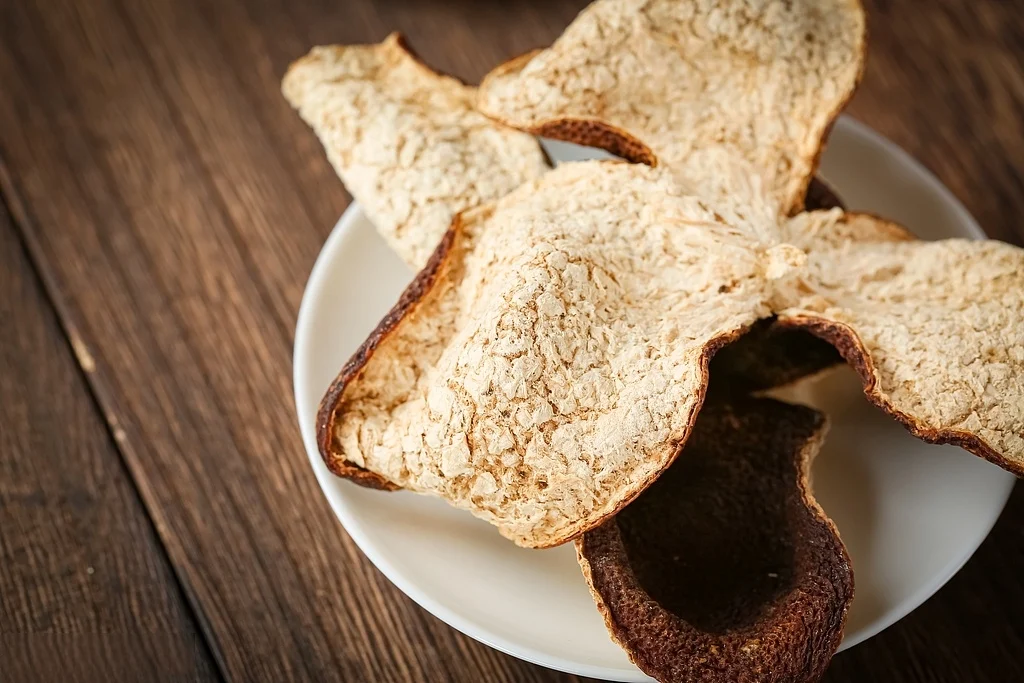
1. 3-Year Xinhui Chenpi: The Entry-Level Classic
- Appearance: Light golden-brown color, relatively smooth peel with shallow wrinkles. Oil glands are visible but not prominent.
- Flavor: Fresh citrus aroma with a hint of sweetness. Mild acidity remains (not irritating), paired with a subtle earthy note.
- Quality & Value: Basic aging standard (meets “Chenpi” definition). Affordable, perfect for beginners to experience authentic Xinhui flavor.
- Best Uses: Daily tea brewing (blended with green tea or black tea), simple cooking (light soups, braised dishes), or as a starter for small-scale collection.
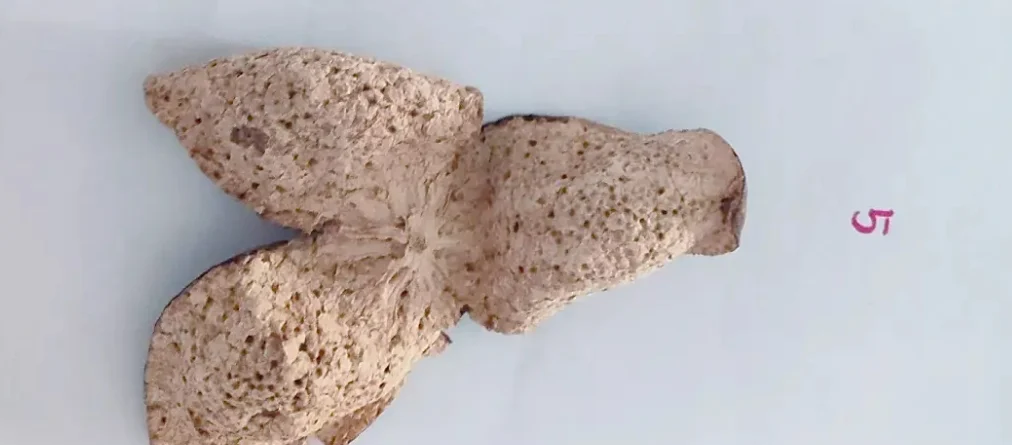
2. 5-Year Xinhui Chenpi: The Balanced Premium
- Appearance: Deep golden-brown to amber color. Peel becomes thicker and more flexible, with dense, deep wrinkles. Oil glands are prominent and shiny when rubbed.
- Flavor: Acidity completely fades. Aroma is rich and layered—sweet citrus, woody notes, and subtle honey-like sweetness. No bitter or earthy aftertastes.
- Quality & Value: Mature aging stage. Flavor and nutrition are well-balanced, with obvious value growth. It’s the most popular choice among regular Chenpi users.
- Best Uses: Solo tea brewing, high-end tea blending (with Pu-erh or Xiao Qing Gan), flavoring meat braises, nourishing soups, or medium-scale collection.
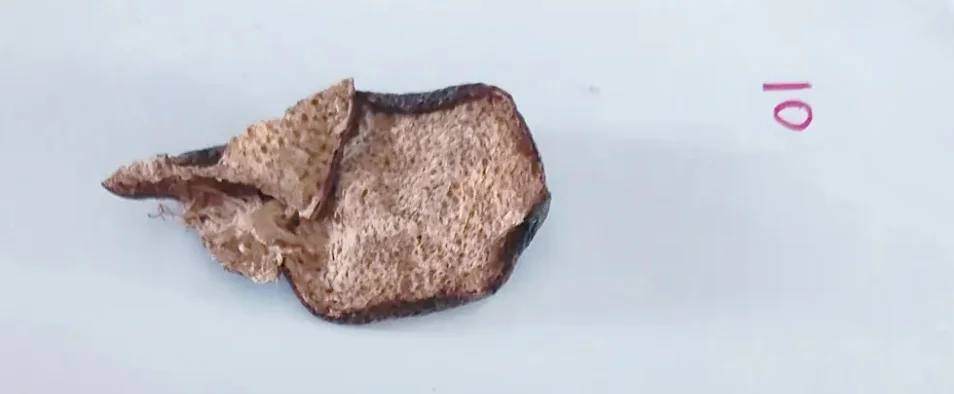
3. 10-Year+ Xinhui Chenpi: The Collectible Treasure
- Appearance: Dark brown to reddish-brown color (not black). Peel is thick, tough, and glossy. Wrinkles are irregular but tight, with oil glands that release fragrant oil when pressed.
- Flavor: Aroma is intense, mellow, and long-lasting. Dominated by sweet woody, dried-fruit, and aged honey notes. The taste lingers in the mouth, with a sweet aftertaste.
- Quality & Value: Premium aging stage. Rarity increases with each additional year (especially 15-year+). It’s a collectible with significant appreciation potential.
- Best Uses: Solo premium tea tasting, rare tea blending, top-tier cooking (luxury braises, medicinal soups), or long-term collection as an asset.
Quick Comparison Table: 3-Year vs 5-Year vs 10-Year+ Chenpi
| Aspect | 3-Year Chenpi | 5-Year Chenpi | 10-Year+ Chenpi |
|---|---|---|---|
| Color | Light golden-brown | Deep golden-brown/amber | Dark brown/reddish-brown |
| Texture | Thin, smooth, shallow wrinkles | Thick, flexible, dense wrinkles | Thick, tough, glossy, tight wrinkles |
| Flavor | Fresh citrus, mild acidity | Layered sweet citrus + woody + honey | Intense aged honey + woody + dried fruit |
| Value | Affordable, entry-level | Balanced, mid-range premium | Rare, collectible, appreciating |
| Best For | Daily tea / casual cooking | Regular use / tea blending / nourishing | Premium tasting / collection / top cooking |
How to Use This 3-Year / 5-Year / 10-Year Guide
When you are choosing Xinhui Chenpi, think about how you will use it most often. If you mainly brew daily tea or cook simple soups, 3-year and especially 5-year Chenpi already offer excellent value. If you love slow tasting, gifting or long-term collection, then 10-year+ pieces are worth the extra investment.
For a flexible home stash, many Chenpi lovers keep both: 5-year Chenpi for everyday brewing and cooking, plus a small jar of 10-year+ Chenpi for special occasions and guests.
Shop our aged Xinhui Chenpi collection to explore 3-year, 5-year and rare 10-year+ batches with guaranteed origin and harvest year.