
1. Why Orange Peel Is Not the Same as Chenpi
For many people outside China, the first time they hear the word “Chenpi”, they naturally think:
“Isn’t it just dried orange peel?”
In reality, that’s far from the truth.
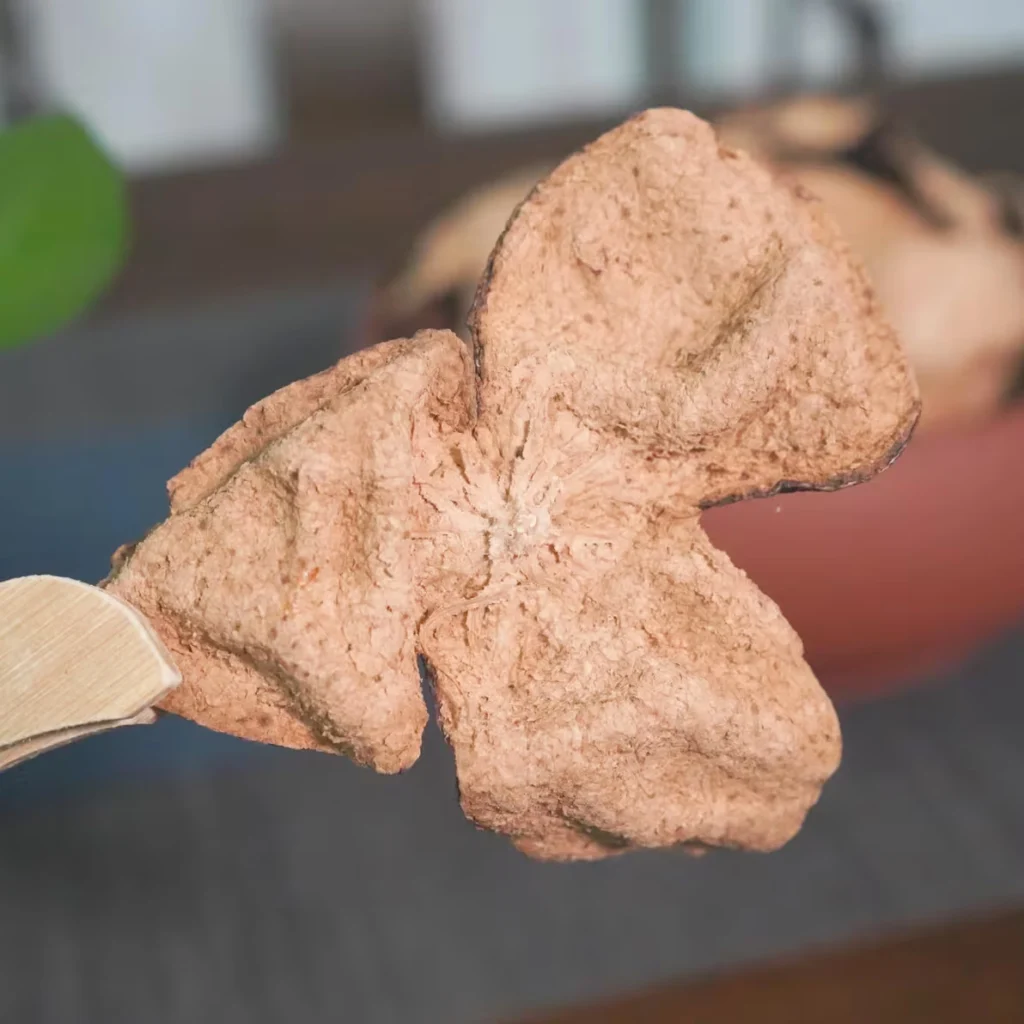
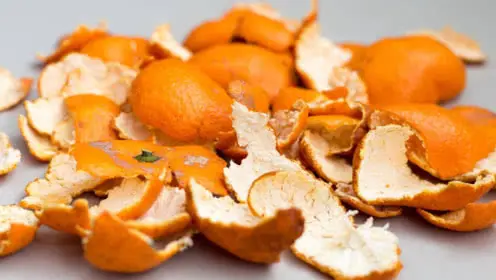
Ordinary orange peel is just fruit skin, while Chenpi is a carefully selected and aged tangerine peel used in traditional Chinese medicine and cooking. The variety of fruit, growing region, processing method, and aging time all matter.
2. What Is Chenpi? More Than Just Dried Peel
In traditional Chinese culture, Chenpi usually refers to the dried, aged peel of fully ripe tangerines, stored for years. The older it gets, the more prized it becomes.
Classical Chinese herbal texts distinguish between different types of citrus, and praise the peel from the Guangdong region as particularly outstanding. Today, Xinhui in Guangdong is widely recognized as the “gold standard” origin for premium Chenpi.
3. Chenpi as a Traditional Chinese Herbal Ingredien
In Traditional Chinese Medicine (TCM), Chenpi is an official herbal term.
It usually refers to:
The dried, mature peel of certain citrus fruits (tangerine/orange varieties) from the Rutaceae family.
Herbalists often distinguish between general Chenpi and “Guang Chenpi”, which comes from the Guangdong region. Chenpi is traditionally described as:
- Flavor: bitter and pungent
- Nature: warm
In TCM, it has long been used to support digestion and help the body feel more comfortable after rich or greasy meals. This reflects traditional use and personal experience, not modern medical diagnosis or treatment.
4. Orange, Citrus, and Xinhui Tangerine: What’s the Difference?
Many people mix up the terms orange, citrus, and Xinhui tangerine.
But not every orange peel can become Chenpi, and not every Chenpi can be called Xinhui Chenpi.
4.1 Common Oranges / Mandarins
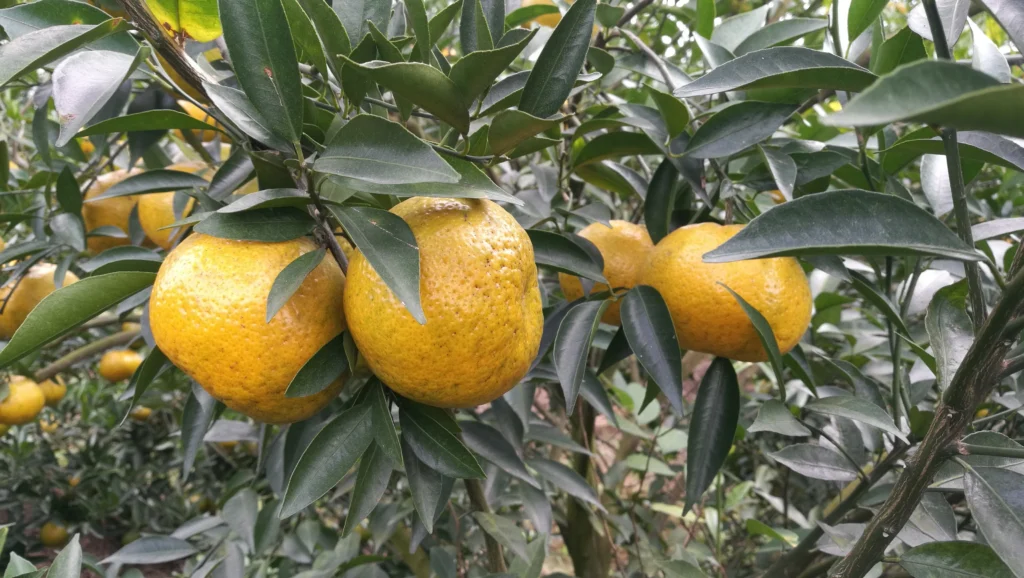
In daily life, we often see mandarins such as:
- Nanfeng honey mandarins
- Sugar mandarins
- “Rock sugar” mandarins
and so on.
These varieties tend to have a sharper, more intense flavor, often more sour or bitter, with a different aroma profile. They are generally not ideal for making high-quality Chenpi, and simply drying their peels at home does not magically turn them into a wellness product.
4.2 Common Citrus Varieties (for Regular Chenpi)
There are also other citrus varieties such as:
- Chaozhou tangerine
- Lu mandarin
- Jiangxi mandarin
- Hunan mandarin
These can be used to make regular Chenpi. When processed and aged properly, they can be used in cooking or as an ingredient in herbal teas. However, in terms of aroma complexity, texture, and aging potential, they are generally considered a step below Xinhui tangerines.
4.3 Xinhui Tangerine: The “Pinnacle” of Chenpi
The true pinnacle of the Chenpi world is:
Chenpi made from Xinhui tangerines – known as “Xinhui Chenpi.”
- Origin: Xinhui District, Jiangmen City, Guangdong Province, China
- Status: Certified Geographical Indication (GI) product in China
- Reputation: Widely regarded as the top choice among Chenpi, and the highest grade within the broader category of “Guang Chenpi” (Chenpi from the Guangdong region).
5. How Authentic Xinhui Chenpi Is Made
Authentic Xinhui Chenpi is not made by simply eating an orange and drying the peel in the sun.
Instead, it usually involves:
- Careful selection of Xinhui tangerines
- Hand-peeling and proper preparation
- Sun-drying in natural conditions (not harsh high-temperature baking)
- Long-term aging in suitable storage environments
Over time, the volatile oils in the peel gradually decrease, while certain flavonoids become relatively more concentrated. From both traditional usage and modern research perspectives, these changes contribute to a smoother taste, deeper aroma, and more fully developed traditional value.
6. Why Your Homemade Dried Orange Peel Is Not Chenpi
Many people think:
“I can just wash and dry the peel from the oranges I eat. Isn’t that Chenpi? And it’s free!”
In reality:
❌ This kind of home-dried orange peel is not Chenpi, and certainly not Xinhui Chenpi.
Here’s why:
- Wrong fruit variety
- The oranges or mandarins you casually buy are usually not the specific types used to make quality Chenpi, let alone genuine Xinhui tangerines.
- No proper processing or aging
- In the herbal tradition, Chenpi has standards for processing and composition;
- Simply drying the peel means volatile oil content stays high, which can make it harsh when brewed.
- May upset your stomach
- Using freshly dried orange peel directly in tea doesn’t fully unlock the traditional benefits attributed to aged Chenpi, and may even make sensitive stomachs feel uncomfortable.
7. How to Properly Enjoy Xinhui Chenpi
For tea lovers outside China or anyone new to Chinese wellness teas, you can think of Xinhui Chenpi as:
An aged tangerine peel from Xinhui, Guangdong,
prized for its aroma, flavor, and traditional wellness role, often brewed alone or blended with other teas.
Suggested Easy Ways to Drink It
The following are traditional uses and lifestyle suggestions, not medical advice. If you have health concerns, please consult a qualified healthcare professional.
- Brewed on its own
- Rinse a piece of Xinhui Chenpi and steep it in hot water.
- Many people enjoy it after meals, saying it helps them feel lighter and less heavy from rich foods.
- Blended with Pu-erh or dark teas (including Xiaoqinggan)
- Chenpi is a classic pairing with ripe Pu-erh tea, and it also works beautifully with Xiaoqinggan (young tangerine stuffed with tea) and other teas.
- The result is a layered flavor profile: tea base + citrus aroma + aged, woody notes from the Chenpi.
- Part of a daily ritual
- Afternoon: replace one cup of coffee with a mug of Chenpi tea for a gentler, calming break.
- After family meals or gatherings, sharing a pot of Chenpi tea is a common habit in many Cantonese households.
8. In Summary: Real Chenpi Deserves Respect
- Orange peel ≠ Chenpi, and definitely ≠ Xinhui Chenpi
- True Chenpi depends on the right fruit variety, region, and aging process
- Xinhui Chenpi is widely regarded as the pinnacle of the Chenpi category
- Random home-dried orange peel is not suitable as a long-term Chenpi substitute
If you want to truly experience the aroma, flavor, and cultural depth of aged tangerine peel from Xinhui, Guangdong, look for authentic products with clear origin, proper processing, and known aging years.
✨ Ready to Discover Authentic Xinhui Chenpi?
Now that you know the difference between ordinary orange peel and premium Xinhui Chenpi, why not experience authentic aged citrus peel for yourself? Our carefully selected Xinhui Chenpi comes directly from Guangdong’s famous production region, where centuries of tradition meet modern quality standards.
- Start with authentic Chenpi: Browse our premium Xinhui Chenpi collection, sourced directly from Xinhui orchards
- Try the perfect pairing: Discover Xiao Qing Gan tea – young green tangerines stuffed with premium Puerh
- Learn to brew it right: Read our complete guide on How to Brew Perfect Chenpi Tea
- Discover health benefits: Explore the science-backed advantages in Chenpi Health Benefits: 7 Proven Advantages
- Compare teaware options: Find the right brewing equipment in our Best Teaware for Chenpi & Xiao Qing Gan guide
- Trusted by 1000+ tea lovers since 1996 with free worldwide shipping on all orders
Have questions about identifying authentic Xinhui Chenpi or choosing the right aging year? Visit our Chenpi & Xiao Qing Gan FAQ or contact our tea experts for personalized recommendations.
Experience the taste of Guangdong’s sunshine in every cup. Start your authentic Chenpi journey today.