
Chenpi Benefits & Contraindications: Can You Drink Aged Mandarin Peel Tea Daily?
Introduction: A Timeless Elixir from Xinhui
Chenpi (Aged Mandarin Peel), also known as “Guang Chenpi,” is more than just a dried citrus rind; it is a time-honored wellness secret, revered in traditional Chinese culture. While many regions produce dried citrus peel, the finest and most authentic variety comes from Xinhui, Guangdong. It is exclusively made from the peel of the local Citrus Reticulata ‘Chachi’ (Tea-Branch Mandarin) and must be aged for at least three years to be called true Xinhui Chenpi.
This post delves into the rich history and science-backed benefits of consuming Chenpi tea daily, alongside essential cautions to ensure you enjoy this tonic safely.
I. Tracing the Roots: The History of Guang Chenpi
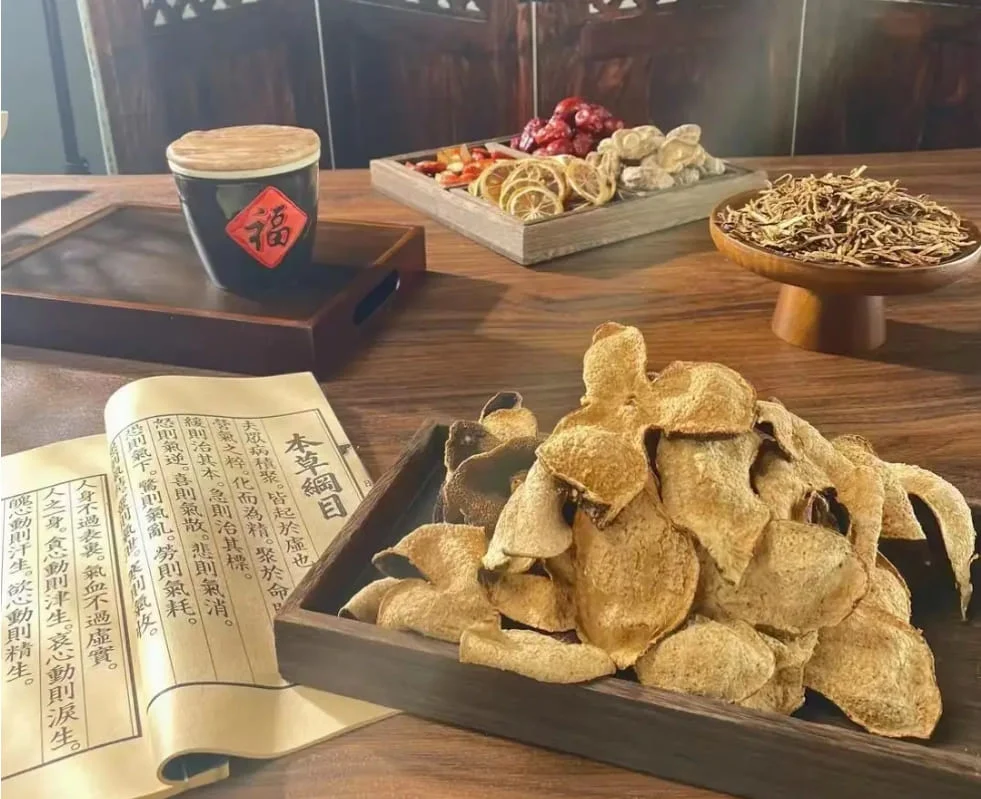
The medicinal prestige of Chenpi dates back nearly a thousand years. Historical records show that Xinhui Chenpi was already a popular commodity during the Song Dynasty (circa 1000 AD), traded across China and extending to Southeast Asia and the Americas during the Ming and Qing dynasties.
The Tale of Empress Yang’s Remedy:
The esteemed status of Guang Chenpi is often linked to the story of the scholar-official Huang Guanghan and his wife, Lady Mi, during the Southern Song Dynasty. Lady Mi, a noblewoman versed in pharmacology, successfully treated Empress Yang’s chronic illness using a preparation made from a specific local Xinhui mandarin—the ancestor of today’s Dahonggan (Big Red Mandarin). In honor of her husband, Lady Mi named the remedy “Guang Chenpi.”
Later, influential figures like the Ming Dynasty pharmacologist Li Shizhen wrote in Compendium of Materia Medica that “Chenpi from Guang Zhong (i.e., Xinhui) is superior,” cementing its position as a premium ingredient sought after by imperial physicians like Ye Tianshi during the Qianlong era.
This history underscores why true Chenpi must be recognized by its origin: Guangdong, Xinhui.
II. Proven Benefits: Why Drink Chenpi Tea Daily?
Modern science now supports the historical consensus that Chenpi offers remarkable health benefits. Consistent daily consumption can lead to noticeable improvements in overall well-being.
Digestion & Gut Health (护肝养胃)
Chenpi contains volatile oils that gently stimulate the digestive system, promoting the secretion of digestive fluids. Regular consumption helps to:
- Warm the stomach and alleviate discomfort, making it ideal for those with irregular eating habits or after consuming alcohol.
- Detoxify the body and boost appetite.
Phlegm & Cough Relief (止咳化痰)
The volatile oils in Chenpi have a regulatory effect on the bronchial system, helping to:
- Promote bronchodilation and strengthen respiratory function.
- Metabolize and clear throat mucus and phlegm, making it a natural remedy for symptoms associated with bronchitis, pneumonia, and common colds.
3. Supports Weight Management (刮油减脂)
Chenpi contains compounds such as Synephrine, volatile oils, and flavonoids, which contribute to the breakdown and consumption of internal fats. If you experience hunger while drinking Chenpi water, it is often a sign of its “fat-scraping” effect in action.
4. Energy & Vitality Boost (促进食欲)
By stimulating the metabolism and aiding toxin removal, Chenpi water can enhance your appetite and improve your complexion, contributing to increased vitality.
III. Chenpi Tea: Contraindications for Daily Consumption
While generally safe and highly beneficial, Chenpi is warm in nature, meaning certain individuals should exercise caution or avoid daily intake:
| Prohibition Category | Condition | Rationale |
| Heat & Acid | Excessive stomach acid (胃酸过多) | The warm, stimulating properties may exacerbate these conditions. |
| Weak Constitution | Deficiency of Qi (气虚) or Severe Internal Heat (内热严重) | May further imbalance the body’s energy. |
| Dryness | Dry cough without phlegm (阴虚燥咳) or Hemoptysis (吐血症状) | Chenpi’s slightly warming nature may worsen dry conditions. |
| Medical Treatment | Individuals taking medication (正在服药) | Chenpi can affect drug metabolizing enzymes; always consult a physician first. |
| Pregnancy | Pregnant women with specific heat/dryness/sweating conditions | Should be strictly avoided to prevent adverse effects on the mother or fetus. |
In short: If you have a generally healthy constitution, drinking Chenpi tea daily is encouraged. If you have any chronic conditions, please consult your healthcare professional.
IV. How to Brew Your Authentic Chenpi Tea
True, high-quality Chenpi, like OUDATEA‘s, does not require scraping the inner pith (the white layer).
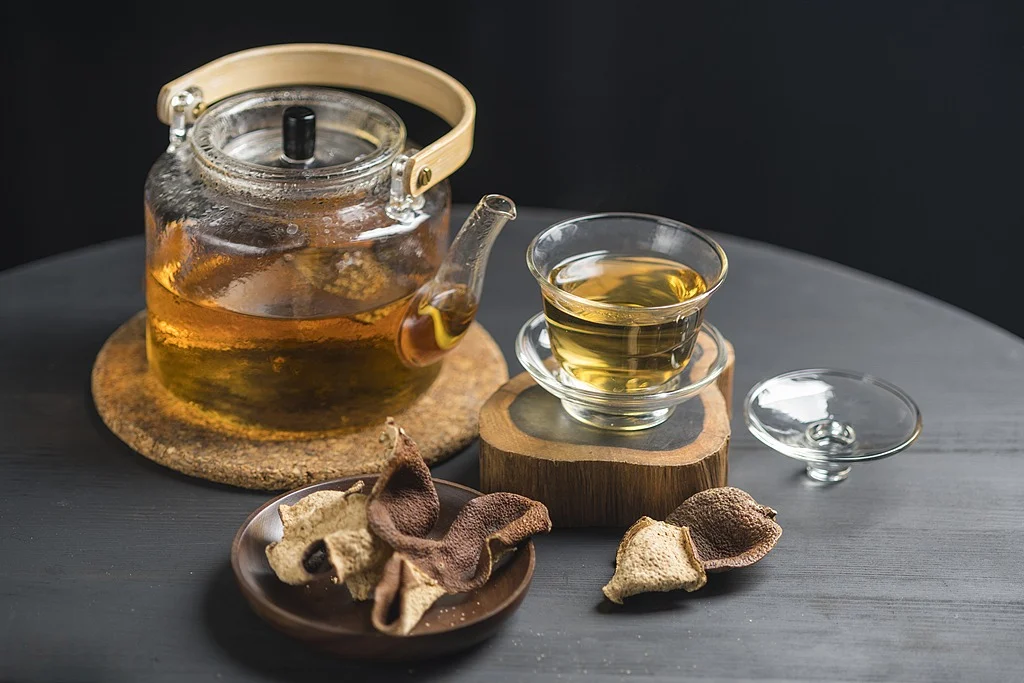
- Preparation: Rinse the Chenpi slice with warm water to remove surface dust. Depending on the age of the peel, you may steep it with boiling water or gently boil it for a stronger flavor.
- Brewing Method:
- Steeping: Place the Chenpi piece in a cup and steep with boiling water.
- Boiling (Recommended): Boiling the peel releases the essential oils and flavors more quickly, resulting in a richer, cleaner taste and aroma.
- Pairing: Chenpi’s flavor profile makes it an excellent mixer. It is traditionally paired with Pu-erh tea, but also blends beautifully with White Tea, Black Tea, or Dark Tea, enhancing both the aroma and the combined health benefits.
Start your daily wellness ritual with authentic Xinhui Chenpi today!
These statements are based on traditional use and are not intended to diagnose, treat, cure, or prevent any disease. Please consult your healthcare professional if you have existing medical conditions.
What is Chenpi?
Chenpi is aged mandarin peel from Xinhui, Guangdong, made from the local Citrus Reticulata “Chachi.” The peel is dried and aged for at least three years and used as a traditional wellness ingredient and tea.
What are the benefits of Chenpi tea?
Regular Chenpi tea may gently support digestion, help clear phlegm, and assist with fat metabolism and appetite, thanks to its volatile oils and flavonoids. Individual results can vary, and it should be enjoyed as part of a balanced lifestyle.
Can I drink Chenpi tea every day?
People with a generally balanced constitution can usually enjoy Chenpi tea daily in moderate amounts. If you have chronic conditions, are on medication, or are pregnant, you should consult a healthcare professional before drinking it regularly.
Who should avoid daily Chenpi tea?
Those with excessive stomach acid, severe internal heat or Qi deficiency, very dry cough without phlegm, bleeding symptoms, or those on medication or with certain pregnancy conditions should be cautious and seek medical advice before drinking Chenpi tea every day.
How do you brew Chenpi tea correctly?
Rinse the peel with warm water, then either steep it in boiling water or gently boil it for a stronger flavor. Chenpi pairs especially well with Pu-erh tea, but also blends nicely with white, black, or dark teas.
✨ Ready to Unlock the Ancient Secrets of Chenpi?
Now that you’ve discovered the ancient secrets of Chenpi—the “golden peel” prized for centuries in traditional Chinese medicine—why not experience authentic aged citrus peel for yourself? Our carefully selected Xinhui Chenpi preserves the wisdom of generations, offering the full benefits of aged tangerine peel in every cup.
- Start with authentic Chenpi: Browse our premium Xinhui Chenpi collection, featuring different aging years for various needs
- Try the perfect fusion: Discover Xiao Qing Gan tea – young green tangerines stuffed with premium Puerh for enhanced benefits
- Learn to brew it right: Read our complete guide on How to Brew Perfect Chenpi Tea for traditional and modern methods
- Discover health benefits: Explore the science-backed advantages in Chenpi Health Benefits: 7 Proven Advantages
- Compare aging differences: Understand how age affects Chenpi in 3-Year vs 5-Year vs 10-Year Xinhui Chenpi guide
- Trusted by 1000+ tea lovers since 1996 with free worldwide shipping on all orders
Have questions about Chenpi’s traditional uses or modern applications? Visit our Chenpi & Xiao Qing Gan FAQ or contact our tea experts for personalized recommendations.
Unlock centuries of wisdom in every cup. Start your authentic Chenpi journey today.